Stories
The She-Camel of Salih
The Quranic story of Prophet Salih, peace be upon him, and the people of Thamud: homes carved into the mountains of al-Hijr, the call to worship Allah alone, the she-camel sent as a sign, the water shared between her and the people, her killing at the hands of their most wretched man, and three days that ended with the Blast.
The story narration voice is machine-generated. The text is human-written and reviewed, and Quran verses are recited by a verified reciter.
Chapter 1
Thamud in al-Hijr

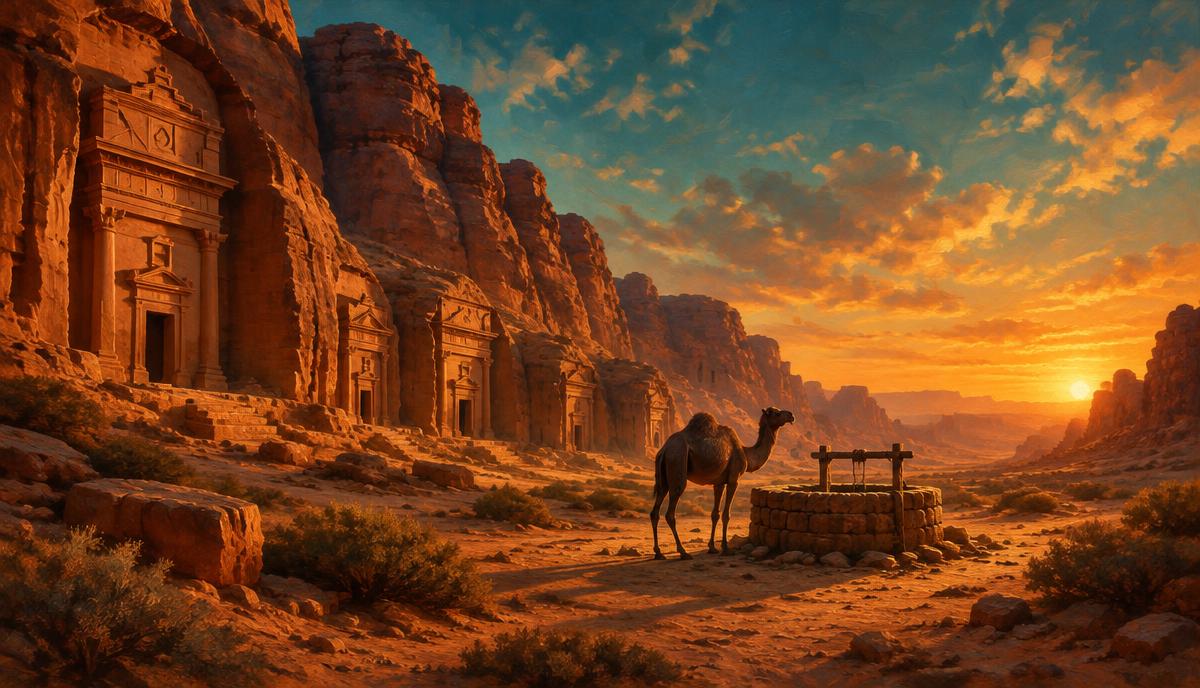
Thamud came after the people of 'Ad. They inherited the land, and Allah gave them strength and an easy life. They lived in al-Hijr, in the north of the Arabian Peninsula between the Hijaz and Syria, the area known today as Mada'in Salih near al-'Ula. They built palaces on the plains and carved homes out of the mountains with a skill few nations ever matched.
The Quran reminds them of these blessings: gardens and springs, crops and palm trees heavy with soft fruit, and houses cut into the rock where they lived in safety. Yet safety and plenty did not lead them to gratitude. They worshipped others besides Allah, followed their extravagant leaders, and believed that what they had built with their own hands would protect them from anything.
Into this powerful society Allah sent a man from among them, whose family and honesty they knew well: Salih, peace be upon him. The Quran calls him their brother, because he was one of them, spoke their language and wanted good for them. He did not come to tear down their homes or take their wealth. He came to turn them back to the One who had given them every one of these blessings.
Open surahSurah Al-A'raf 7:74
Verified recitation
وَٱذْكُرُوٓا۟ إِذْ جَعَلَكُمْ خُلَفَآءَ مِنۢ بَعْدِ عَادٍۢ وَبَوَّأَكُمْ فِى ٱلْأَرْضِ تَتَّخِذُونَ مِن سُهُولِهَا قُصُورًۭا وَتَنْحِتُونَ ٱلْجِبَالَ بُيُوتًۭا ۖ فَٱذْكُرُوٓا۟ ءَالَآءَ ٱللَّهِ وَلَا تَعْثَوْا۟ فِى ٱلْأَرْضِ مُفْسِدِينَ
Thamud, successors after 'Ad, carving homes from the mountains
Lessons
- Blessings are a test, and gratitude is what preserves them.
- Material power is no substitute for faith.
- Allah sends guidance through a voice people know and trust.
Chapter 2
Salih's Call to Worship Allah Alone
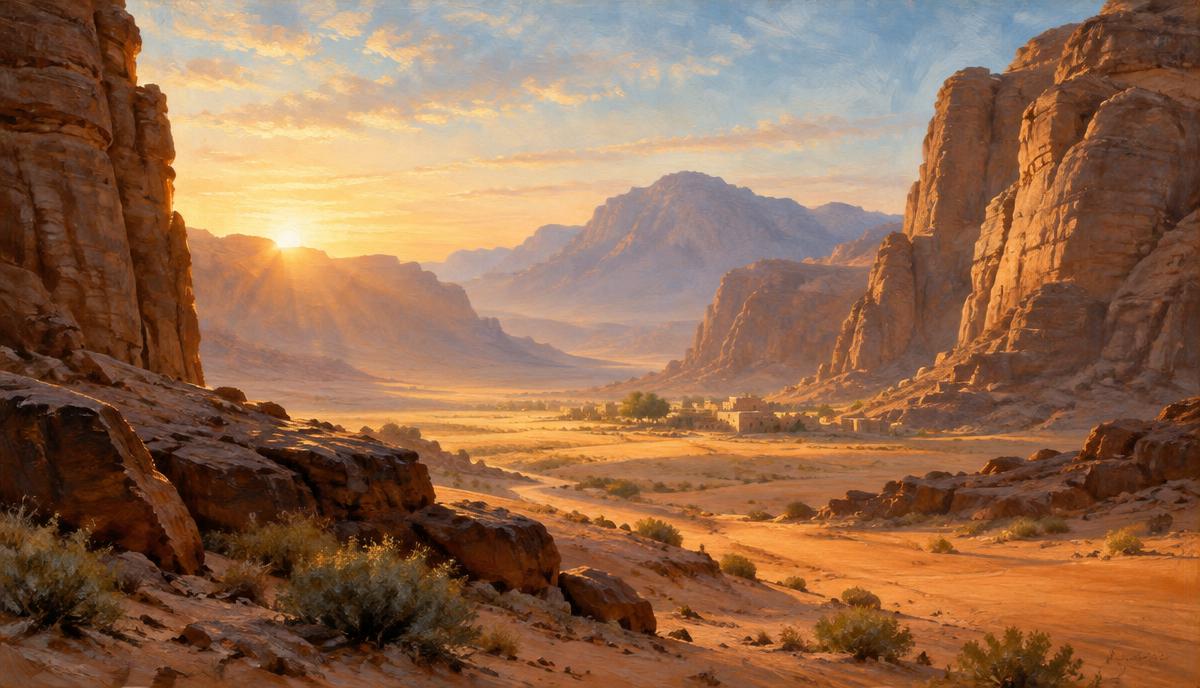
Salih, peace be upon him, began where every prophet began: worship Allah, you have no god but Him. He reminded his people that Allah had brought them forth from the earth and settled them in it, called them to seek forgiveness and repent, and assured them that his Lord is near and answers.
Salih was known among them for his good sense and goodness, so much that they told him: you were someone we had high hopes for before this. They had seen in him a future for their people. When he called them to leave what their forefathers worshipped, that hope turned into doubt and accusation. They said he was bewitched, and that he was only a man like them, so why should they follow him?
Salih asked them for no money and no status, and told them that his reward rests with the Lord of the worlds. His people split into two groups: a few of the weak believed in him, while the arrogant leaders declared that they rejected what those believers had accepted. Salih warned them not to obey the extravagant, who spread corruption in the land and set nothing right.
Open surahSurah Ash-Shu'ara 26:142-145
Verified recitation
إِذْ قَالَ لَهُمْ أَخُوهُمْ صَٰلِحٌ أَلَا تَتَّقُونَ إِنِّى لَكُمْ رَسُولٌ أَمِينٌۭ فَٱتَّقُوا۟ ٱللَّهَ وَأَطِيعُونِ وَمَآ أَسْـَٔلُكُمْ عَلَيْهِ مِنْ أَجْرٍ ۖ إِنْ أَجْرِىَ إِلَّا عَلَىٰ رَبِّ ٱلْعَٰلَمِينَ
Salih, a trustworthy messenger who asks no reward
Lessons
- A sincere caller to Allah asks people for no reward.
- A good reputation does not prevent rejection when the truth clashes with desire.
- Seeking forgiveness is an open door that comes before punishment.
Chapter 3
The Demand for a Sign
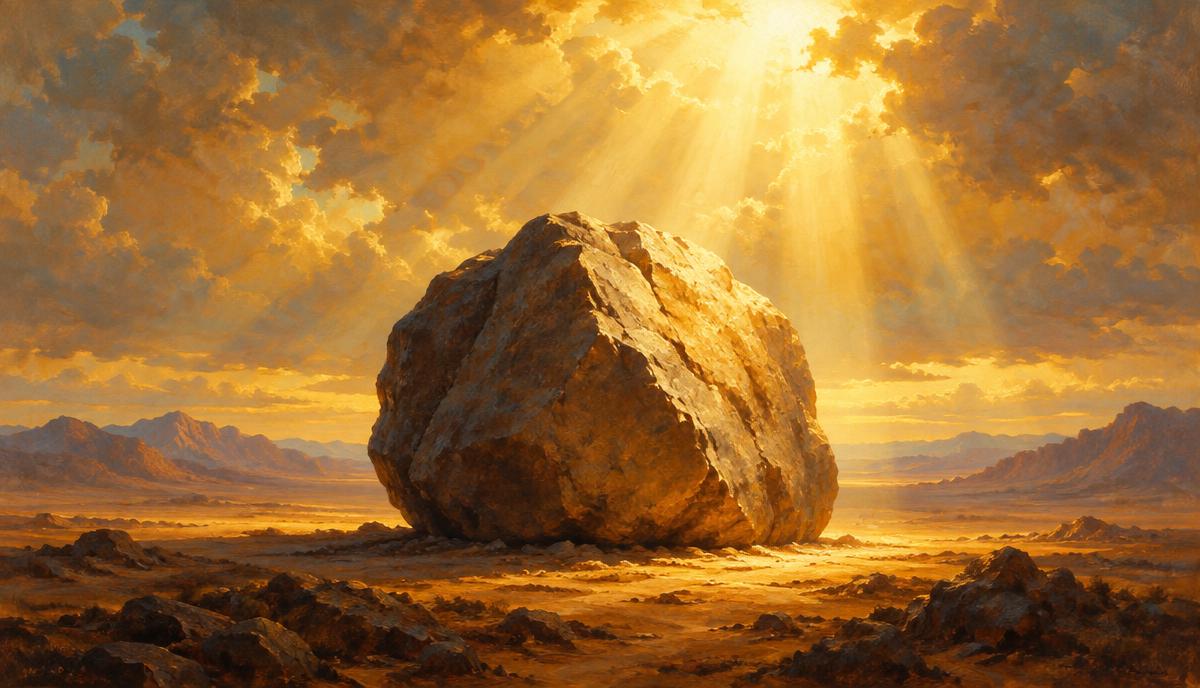
When his people could not answer Salih's argument, they demanded a miracle: you are only a man like us, so bring a sign if you are truthful. Allah gave them a mighty sign, a she-camel the Quran calls the she-camel of Allah. Linking her to Allah is a mark of honour, showing she was no ordinary animal but a sign from Him.
As for where the she-camel came from, the Quran does not describe how she appeared. Commentators such as Ibn Kathir and al-Tabari report that the people asked for her to come out of a particular rock, and that Salih prayed to his Lord and a great she-camel emerged from it as they had asked. The report is well known among commentators, but it is not established in an authentic hadith of the Prophet ﷺ, so we mention it as their account rather than a definitive text.
The same goes for her name. Neither the Quran nor authentic Sunnah gives her a personal name, and what Allah called her is enough: the she-camel of Allah. Salih told them to leave her to graze on Allah's earth and not to harm her, or a near punishment would seize them.
Open surahSurah Ash-Shu'ara 26:153-156
Verified recitation
قَالُوٓا۟ إِنَّمَآ أَنتَ مِنَ ٱلْمُسَحَّرِينَ مَآ أَنتَ إِلَّا بَشَرٌۭ مِّثْلُنَا فَأْتِ بِـَٔايَةٍ إِن كُنتَ مِنَ ٱلصَّٰدِقِينَ قَالَ هَٰذِهِۦ نَاقَةٌۭ لَّهَا شِرْبٌۭ وَلَكُمْ شِرْبُ يَوْمٍۢ مَّعْلُومٍۢ وَلَا تَمَسُّوهَا بِسُوٓءٍۢ فَيَأْخُذَكُمْ عَذَابُ يَوْمٍ عَظِيمٍۢ
Thamud demand a sign and Salih answers with the she-camel
Lessons
- Those who ask for a sign and receive it carry a greater responsibility.
- We hold to what is established and separate it from commentators' reports.
- What Allah attributes to Himself deserves reverence.
Chapter 4
A Day to Drink for Each
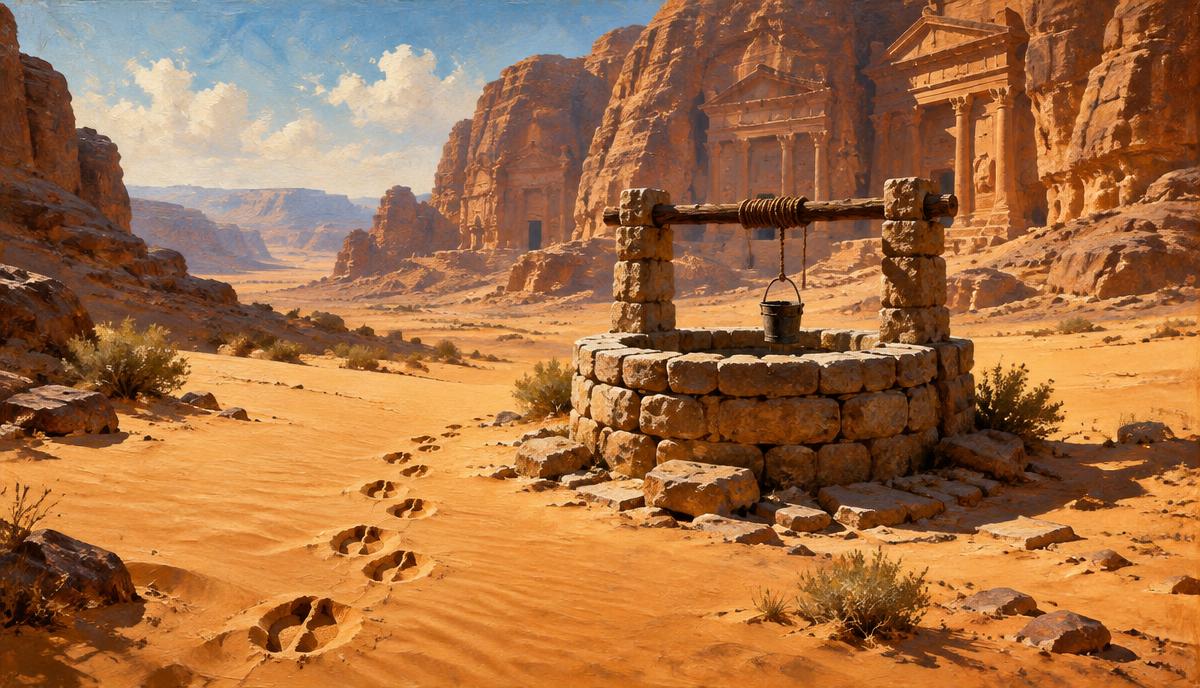
The she-camel was not a sign to be seen once and then forgotten. She was a daily test. Allah divided the water between her and the people: she had a day to drink, and they had a known day of their own. On her day she drank from the well alone, and on their day they took everything they needed.
The Quran calls her a trial for them, a test that would reveal what was in their hearts. Would they be patient with a simple rule that protected a sign of Allah, or would they resent it because it limited some of their wants? Allah told Salih to watch them and be patient, because the outcome would appear in time.
Commentators mention that the people benefited from her milk on her day, but arrogant hearts saw her only as a burden competing with them for water and pasture. Over time their irritation turned into hatred, and hatred into plans to be rid of her, even though they knew that harming her meant punishment.
Open surahSurah Al-Qamar 54:27-28
Verified recitation
إِنَّا مُرْسِلُوا۟ ٱلنَّاقَةِ فِتْنَةًۭ لَّهُمْ فَٱرْتَقِبْهُمْ وَٱصْطَبِرْ وَنَبِّئْهُمْ أَنَّ ٱلْمَآءَ قِسْمَةٌۢ بَيْنَهُمْ ۖ كُلُّ شِرْبٍۢ مُّحْتَضَرٌۭ
The she-camel as a trial and the water shared between them
Lessons
- A test can come through a small, daily matter.
- Respecting Allah's limits is a sign of true faith.
- Resentment of the truth, left unchecked, grows into hostility.
Chapter 5
The Nine and the Killing of the She-Camel
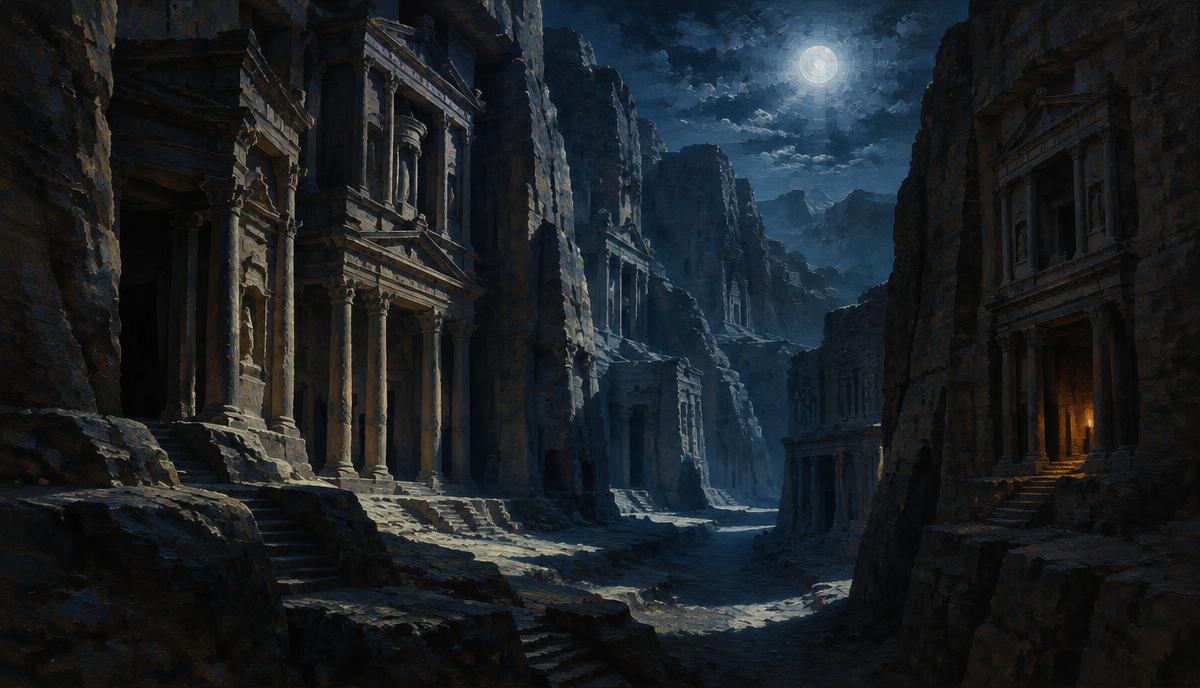
There were nine men in the city who spread corruption in the land and set nothing right. They led the plot against the she-camel, and then against Salih himself. The most wretched of them rose up, took the weapon and struck her down, as Surah al-Qamar says: they called their companion, and he took the sword and hamstrung her.
Who killed Salih's she-camel? The Quran describes him as the most wretched of them without naming him. In Sahih al-Bukhari the Prophet ﷺ mentioned him as a strong, wicked man, well protected among his clan. Commentators give his name as Qudar ibn Salif, a name well known in tafsir and history books, though it does not appear in an authentic text.
Although one man carried out the killing, the Quran attributes it to the whole people: they hamstrung her. They approved of it, encouraged it and did not object. Then they challenged their prophet: Salih, bring us what you threaten us with, if you are one of the messengers. The nine went further and swore by Allah to attack Salih and his family by night, then deny it before his next of kin. They plotted, and Allah planned, while they did not perceive it.
Open surahSurah Ash-Shams 91:11-14
Verified recitation
كَذَّبَتْ ثَمُودُ بِطَغْوَىٰهَآ إِذِ ٱنۢبَعَثَ أَشْقَىٰهَا فَقَالَ لَهُمْ رَسُولُ ٱللَّهِ نَاقَةَ ٱللَّهِ وَسُقْيَٰهَا فَكَذَّبُوهُ فَعَقَرُوهَا فَدَمْدَمَ عَلَيْهِمْ رَبُّهُم بِذَنۢبِهِمْ فَسَوَّىٰهَا
The most wretched of Thamud rises and kills the she-camel
Lessons
- Whoever approves of wrongdoing shares in it, even without committing it.
- Corruption starts with a few and drags down a community that stays silent.
- Evil plotting returns upon those who plot.
Chapter 6
Three Days, Then the Blast
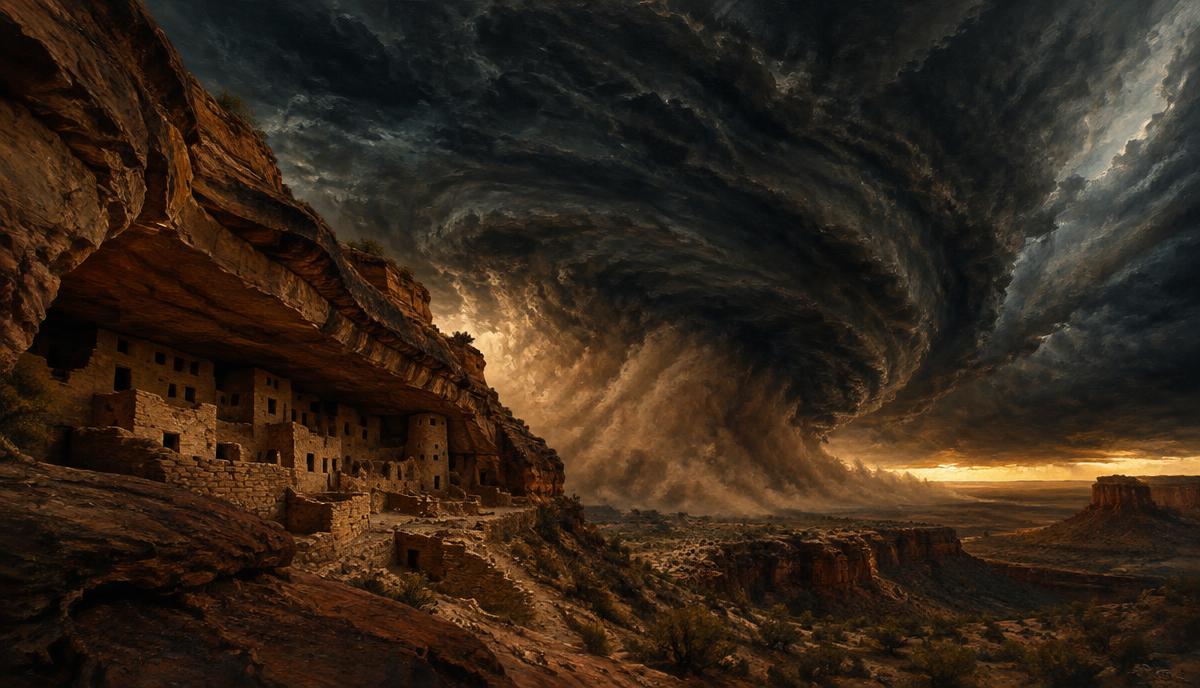
After the she-camel was killed, Salih told them: enjoy yourselves in your homes for three days. That is a promise that will not be belied. It was a final respite and a clear warning, but they did not repent. Surah ash-Shu'ara says they became regretful, yet the regret came too late, and it was not repentance that would bring them back to Allah.
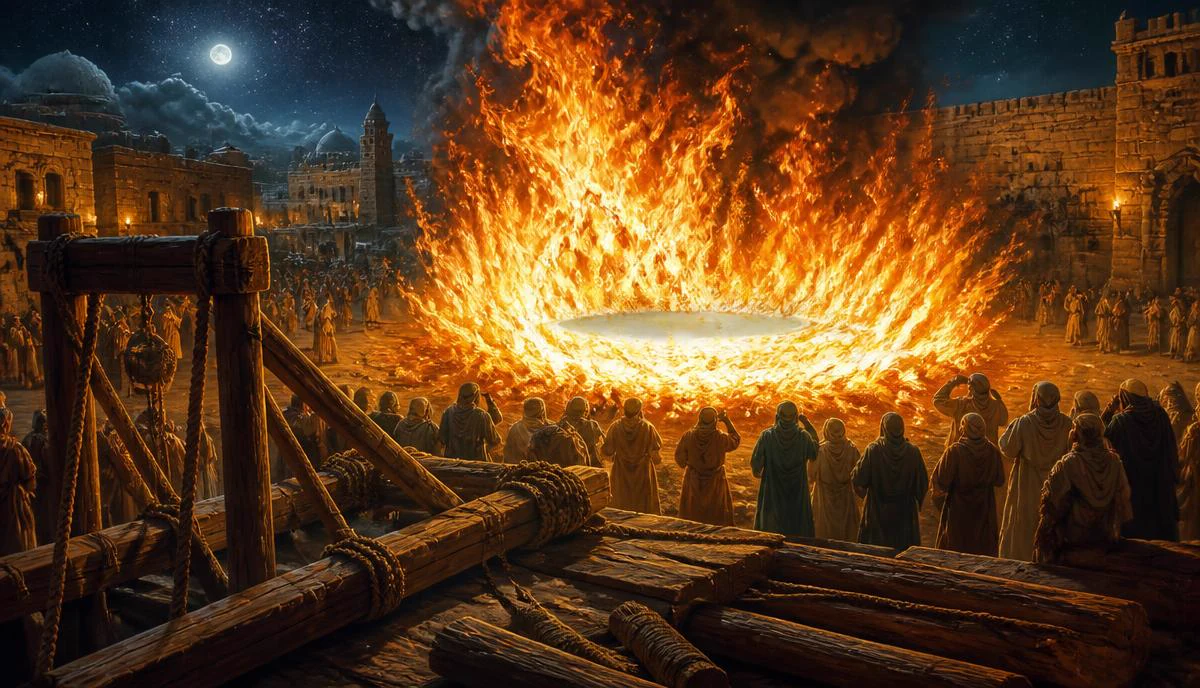
How did Allah destroy the people of Salih? Allah's command came, and the Blast seized those who had done wrong. In Surah al-A'raf it is called the Quake. They lay lifeless, face down in their homes. The Blast was a mighty sound from the sky and the Quake a violent tremor. The two do not contradict each other; commentators explain that Allah brought both upon them.
Allah saved Salih and those who believed with him, by His mercy, from the disgrace of that day. The homes they had carved into the mountains as fortresses stood empty, as if they had never lived there. None of their strength or building could help them.
Open surahSurah Hud 11:65-68
Verified recitation
فَعَقَرُوهَا فَقَالَ تَمَتَّعُوا۟ فِى دَارِكُمْ ثَلَٰثَةَ أَيَّامٍۢ ۖ ذَٰلِكَ وَعْدٌ غَيْرُ مَكْذُوبٍۢ فَلَمَّا جَآءَ أَمْرُنَا نَجَّيْنَا صَٰلِحًۭا وَٱلَّذِينَ ءَامَنُوا۟ مَعَهُۥ بِرَحْمَةٍۢ مِّنَّا وَمِنْ خِزْىِ يَوْمِئِذٍ ۗ إِنَّ رَبَّكَ هُوَ ٱلْقَوِىُّ ٱلْعَزِيزُ وَأَخَذَ ٱلَّذِينَ ظَلَمُوا۟ ٱلصَّيْحَةُ فَأَصْبَحُوا۟ فِى دِيَٰرِهِمْ جَٰثِمِينَ كَأَن لَّمْ يَغْنَوْا۟ فِيهَآ ۗ أَلَآ إِنَّ ثَمُودَا۟ كَفَرُوا۟ رَبَّهُمْ ۗ أَلَا بُعْدًۭا لِّثَمُودَ
Three days of respite, then the Blast seizes Thamud
Lessons
- A respite is a mercy, and wasting it is a great loss.
- Regret alone is not enough without turning back to Allah.
- Allah saves the believers, even when they are few.
Chapter 7
When the Prophet ﷺ Passed al-Hijr
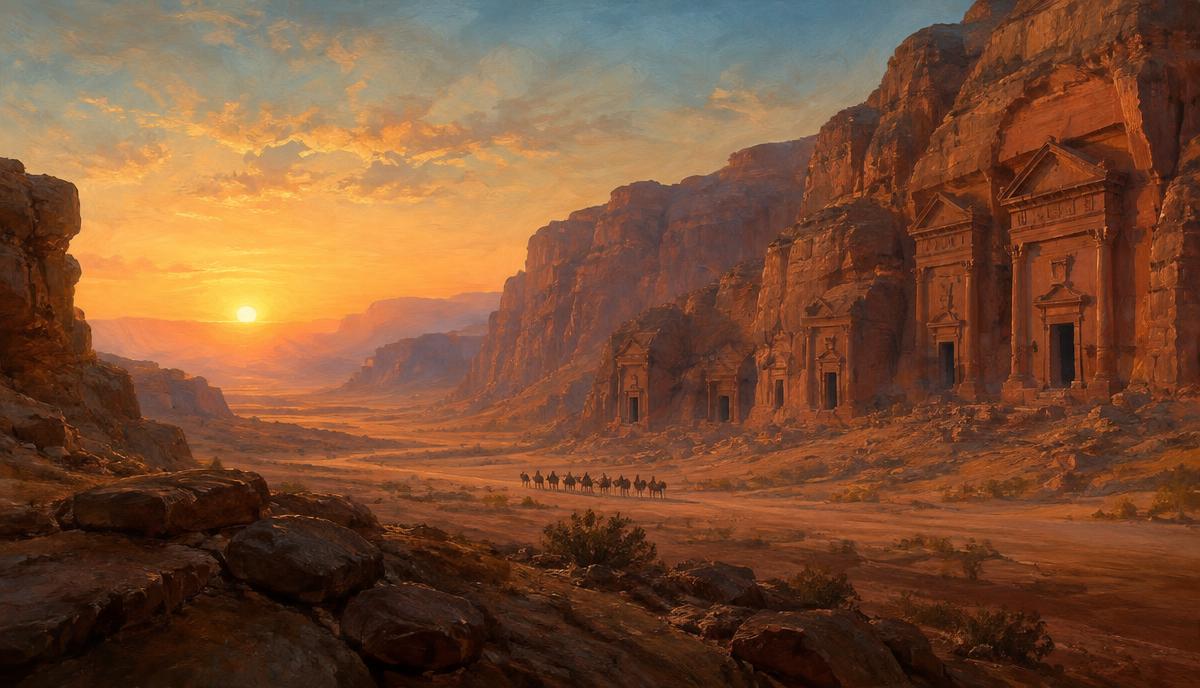
The ruins of Thamud remained as a witness for centuries. When the Prophet ﷺ passed through al-Hijr on the way to the expedition of Tabuk, he told his companions, as reported in Sahih al-Bukhari: do not enter the dwellings of those who were punished unless you are weeping. If you are not weeping, do not enter, lest what befell them befall you. Then he covered his head and hurried until he had crossed the valley.
In both Sahih collections it is reported that the companions drew water from the wells of al-Hijr and made dough with it. The Prophet ﷺ told them to pour the water away, feed the dough to the camels, and draw water instead from the well the she-camel used to drink from. Even the well of Salih's she-camel kept its distinction in the Prophet's guidance.
This passage teaches us how to look at the ruins of destroyed nations: with a heart that takes a lesson, not with the eyes of a sightseer. Those are their homes, empty because of their wrongdoing. In that is a sign for people who know.
Common questions about Salih's she-camel
What was the name of Salih's she-camel? No name is given in the Quran or authentic Sunnah. Allah called her the she-camel of Allah.
Where did the she-camel come from? The Quran does not describe it. Commentators report that she came out of a rock the people had pointed to.
Who killed Salih's she-camel? The most wretched man of Thamud, as the Quran describes him. Commentators name him Qudar ibn Salif.
Where did the people of Salih live? In al-Hijr, north of the Hijaz, known today as Mada'in Salih near al-'Ula.
Open surahSurah An-Naml 27:52-53
Verified recitation
فَتِلْكَ بُيُوتُهُمْ خَاوِيَةًۢ بِمَا ظَلَمُوٓا۟ ۗ إِنَّ فِى ذَٰلِكَ لَـَٔايَةًۭ لِّقَوْمٍۢ يَعْلَمُونَ وَأَنجَيْنَا ٱلَّذِينَ ءَامَنُوا۟ وَكَانُوا۟ يَتَّقُونَ
The empty homes of Thamud and the rescue of the believers
Lessons
- The ruins of the destroyed are a place for reflection, not amusement.
- The Prophet's guidance links history to the heart and to action.
- Ruins that outlast their people carry a message to every generation.
Interactive quiz
Answer the questions below, then check your answers. No account needed.
1. Where did Thamud live?
2. What was special about the homes of Thamud?
3. What did his people say about Salih before his call?
4. What did the Quran call the she-camel?
5. How was the water shared between the she-camel and the people?
6. How long was the respite after the she-camel was killed?
7. What did the Prophet ﷺ tell his companions at al-Hijr?
The illustrations are our own, free of copyright restrictions, and do not depict identified religious figures.
Related stories

Data sources
- Surah al-A'raf 7:73-79
- Surah Hud 11:61-68
- Surah al-Hijr 15:80-84
- Surah ash-Shu'ara 26:141-159
- Surah an-Naml 27:45-53
- Surah al-Qamar 54:23-31
- Surah ash-Shams 91:11-15
- Sahih al-Bukhari 433, 3378, 4942
- Sahih Muslim 2980, 2981
- Tafsir Ibn Kathir
- Tafsir al-Tabari