Stories
The Companions of the Elephant
The story of Abraha, who led an army with an elephant to destroy the Kaaba. God protected His House and sent against them flocks of birds pelting them with stones of baked clay. Six chapters with Quranic references, lessons, and an interactive quiz.
The story narration voice is machine-generated. The text is human-written and reviewed, and Quran verses are recited by a verified reciter.
Chapter 1
The Sacred House Before the Event
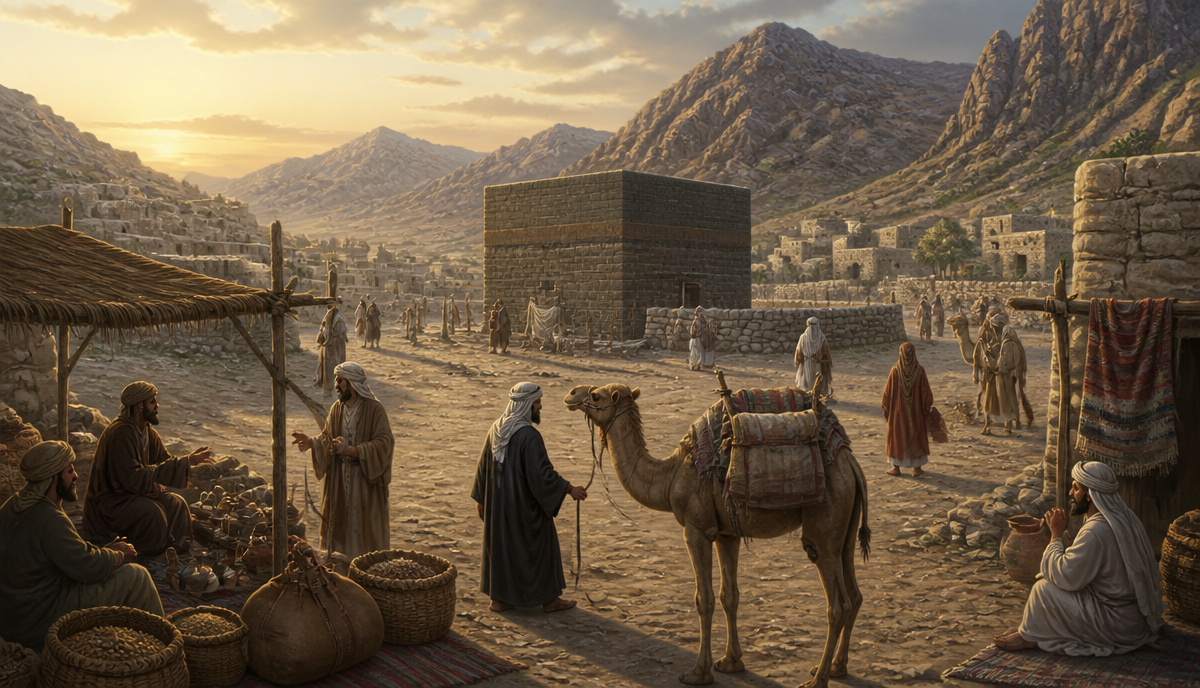
Before the event, the Sacred House in Makkah was the direction and destination of the Arabs, who came to it from every side for pilgrimage, circumambulation, and trade in its seasons. Quraysh took care of providing water and guardianship for it, and through that gained standing among the tribes and safety in their winter and summer journeys.
Makkah was not a city of military power but a valley without cultivation, and all the awe it carried came from the sanctity of the House. From here the greatness of what followed becomes clear: a House guarded by no army, and people who had no strength against an army coming from Yemen.
This background is necessary to understand the story: all the power stood on one side, and the House alone on the other, and then relief came from a direction no one expected.
Lessons
- The standing of a place comes from its sanctity with God, not from the power of its people
- True blessing is safety and sustenance, not large numbers
- Whoever knows his own weakness turns to God sincerely
Chapter 2
Abraha and the Church of Sanaa
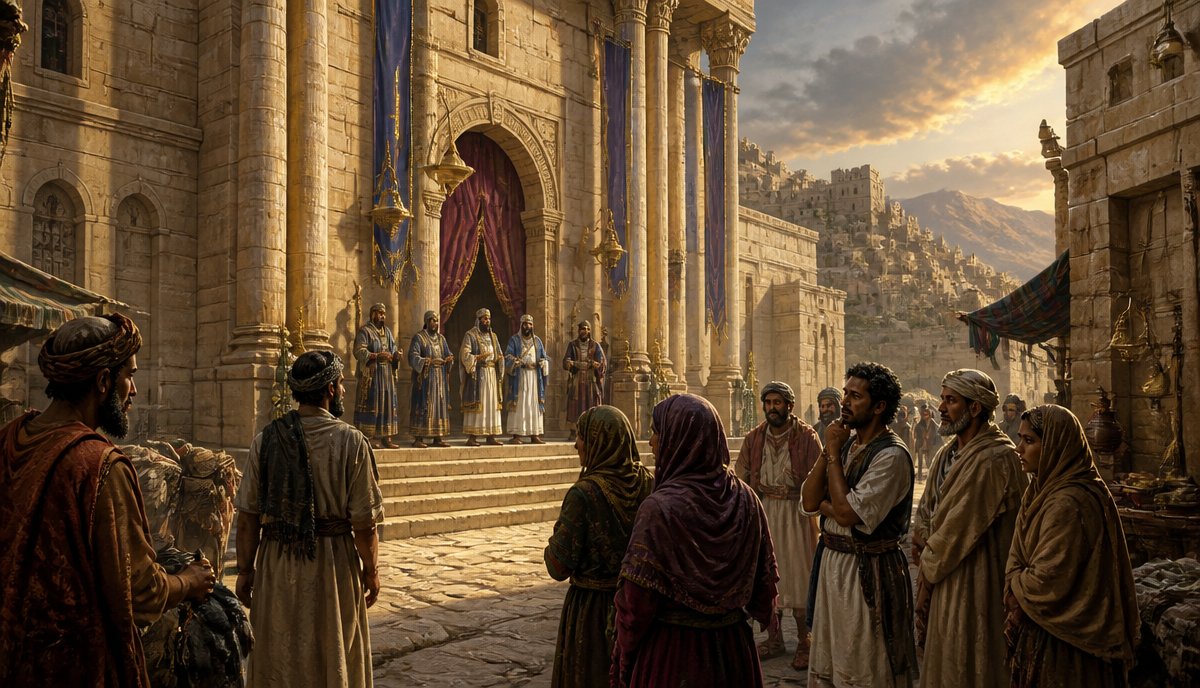
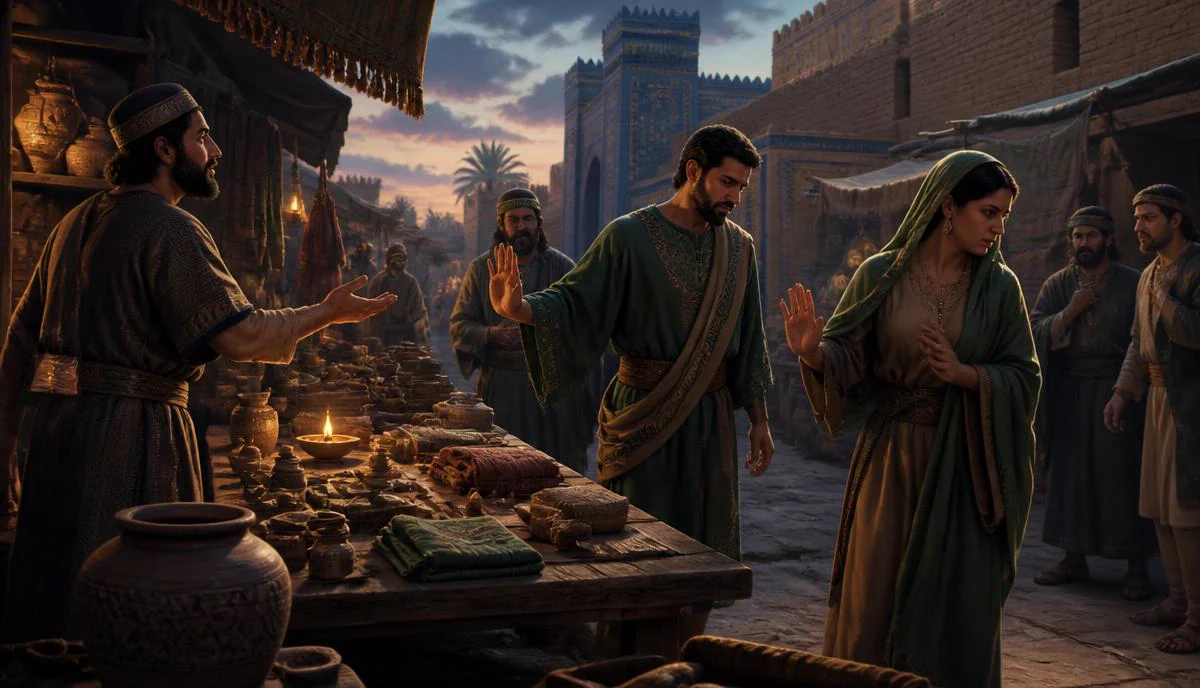
Abraha al-Ashram was governor of Yemen on behalf of the king of Abyssinia. Seeing how the Arabs turned toward Makkah, he built a great church in Sanaa which he called al-Qullays, spending lavishly on its wealth and ornament, intending to divert the pilgrimage of the Arabs to it instead of the Sacred House of God.
But hearts are not bought with buildings. The people kept heading for the Ancient House and the destination did not change. Rage flared in Abraha, and he decided to remove the cause at its root: to demolish the Kaaba so that the Arabs would have no destination but his.
Thus the project turned from competition into aggression. This is the way of arrogance when it meets no response: it moves from trying to persuade to trying to coerce and destroy.
Lessons
- Greatness is not manufactured by buildings and ornament but by sincerity of purpose
- Arrogance drives a person from competition to aggression
- Trying to turn people from the truth by force bears no fruit
Chapter 3
The March of the Army and the Reply of Abd al-Muttalib
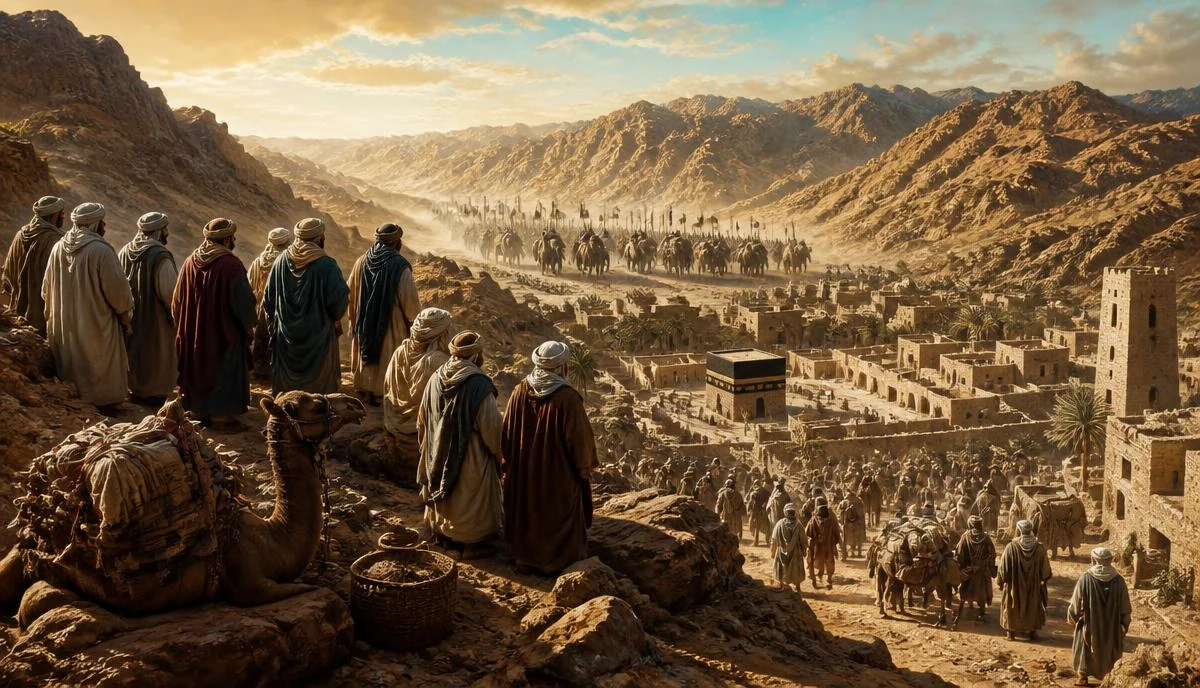
Abraha set out with a large army and with him the elephant, a weapon the Arabs did not know, so that the mere sight of it was enough to break the resolve of those in his path. The few resistances fell before him until he reached the outskirts of Makkah, where he sent men to drive off the livestock of its people, and among what was taken were two hundred camels belonging to Abd al-Muttalib ibn Hashim, the chief of Quraysh.
Abd al-Muttalib came asking to be admitted to Abraha, who honoured him because of the dignity he saw in him and assumed he would speak about the House. But when he spoke he said: I want my camels back. Abraha was astonished and said: I have come to destroy a House that is your religion and the religion of your fathers, and you speak to me about camels?
Then Abd al-Muttalib spoke the words history preserved: I am the lord of the camels, and the House has a Lord who will protect it. He then ordered Quraysh to withdraw to the mountain tops, and they left the matter to God.
Lessons
- Taking practical means does not contradict reliance upon God
- Protecting the sanctity of faith is God's affair when human power falls short
- Trust in God produces a steadiness that numbers cannot produce
Chapter 4
The Elephant Refuses
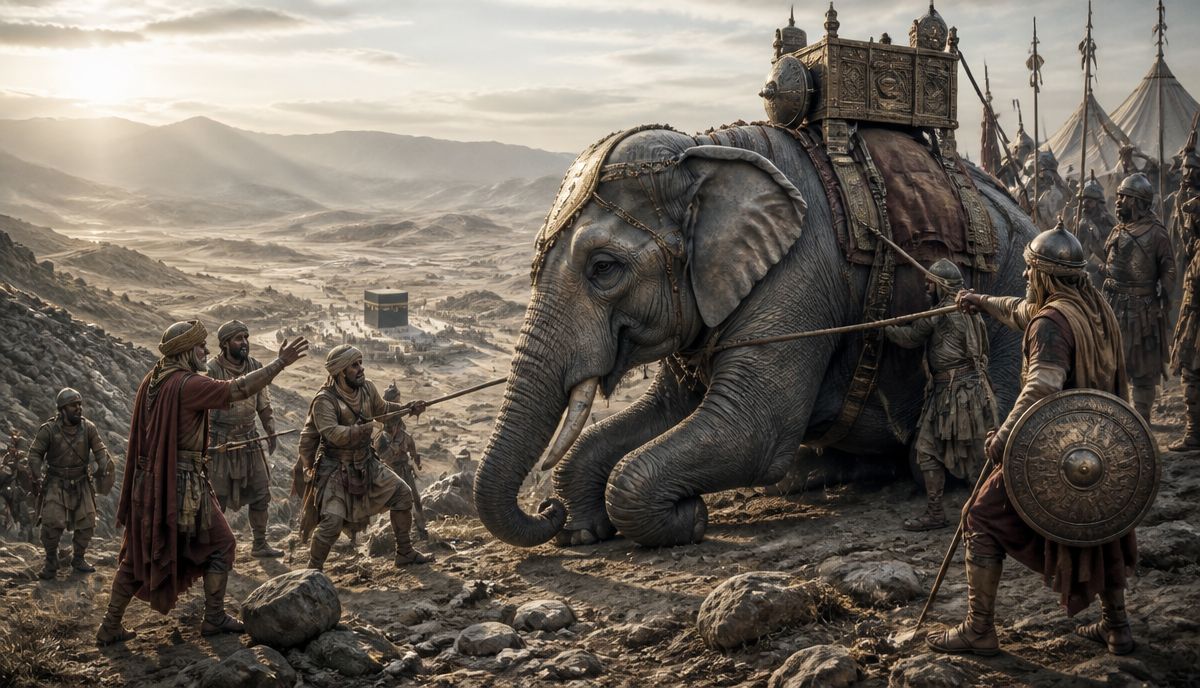
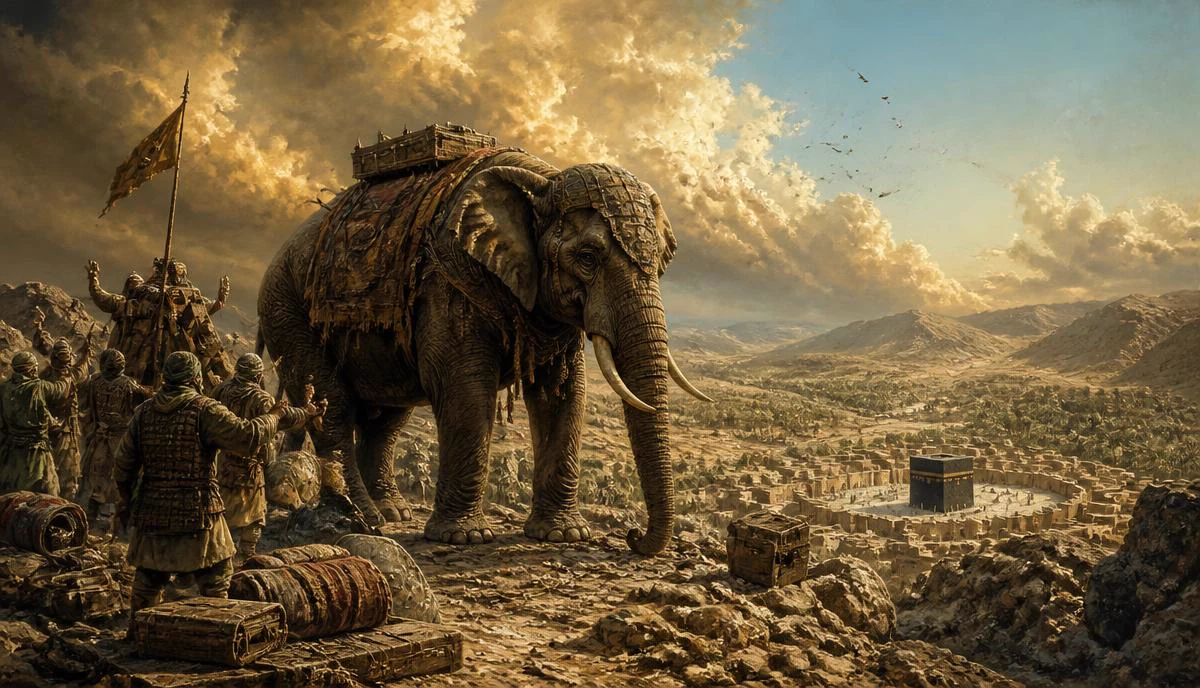
When morning came, Abraha prepared to enter Makkah and turned the elephant toward the Sanctuary, but the elephant knelt down and refused. They struck it to make it rise and it would not; they turned it toward Yemen and it rose and hurried, toward Syria and it rose, toward the east and it rose, yet whenever they turned it toward Makkah it knelt again.
This was the first clear sign that the matter had left human hands. The animal they had brought as a symbol of power became the first to disobey their order, as if all creation were excusing itself from taking part in the assault on the House.
Even so, Abraha insisted and did not read the sign. This is a constant pattern: warnings precede punishment, and whoever turns away from them deserves what comes next.
Lessons
- God warns before He seizes
- The weakest of creatures disobeys the order of tyrants when God wills
- Insisting after a sign is clear is the beginning of ruin
Chapter 5
Flocks of Birds and Stones of Baked Clay
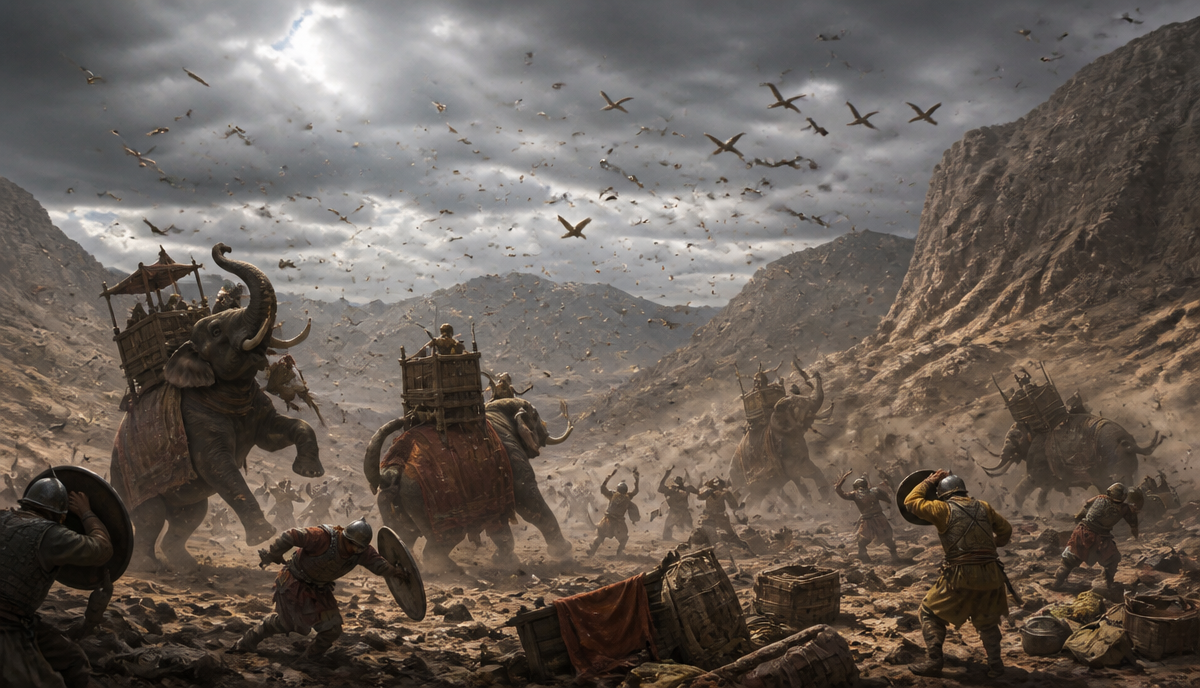
While the army stood at the edges of Makkah, God sent against them flocks of birds, group after group, each bird carrying small stones which they cast upon them.
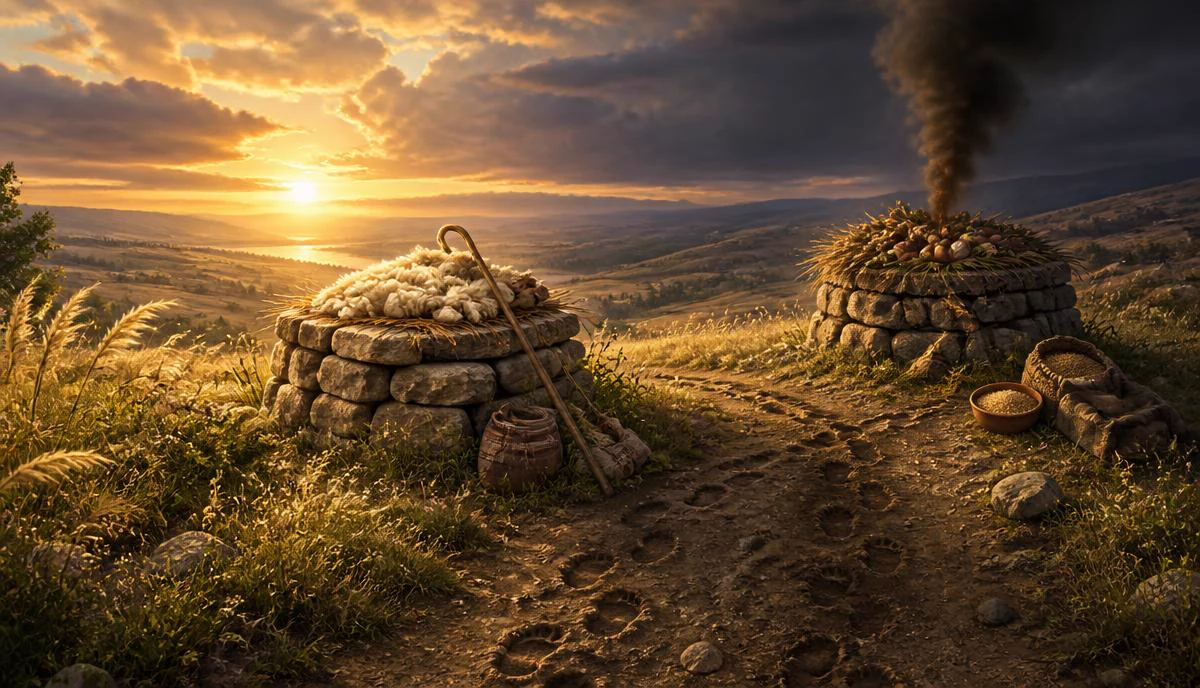
God says: pelting them with stones of baked clay, and He made them like devoured stalks. Devoured stalks are the leaves of a crop after cattle have eaten them, crumbled into worthless debris. A complete army with its equipment and its elephant became such debris in a moment.
The weapon was neither sword nor spear but small stones and frail birds. Here lies the lesson: God does not need great means in order to grant victory; He makes the weakest of things a cause for the defeat of the strongest.
Lessons
- God's help is not tied to the size of the means
- Violating what God has made sacred carries a severe outcome
- Material power does not protect its owner from God's decree
Chapter 6
The Aftermath and Surah Al-Fil
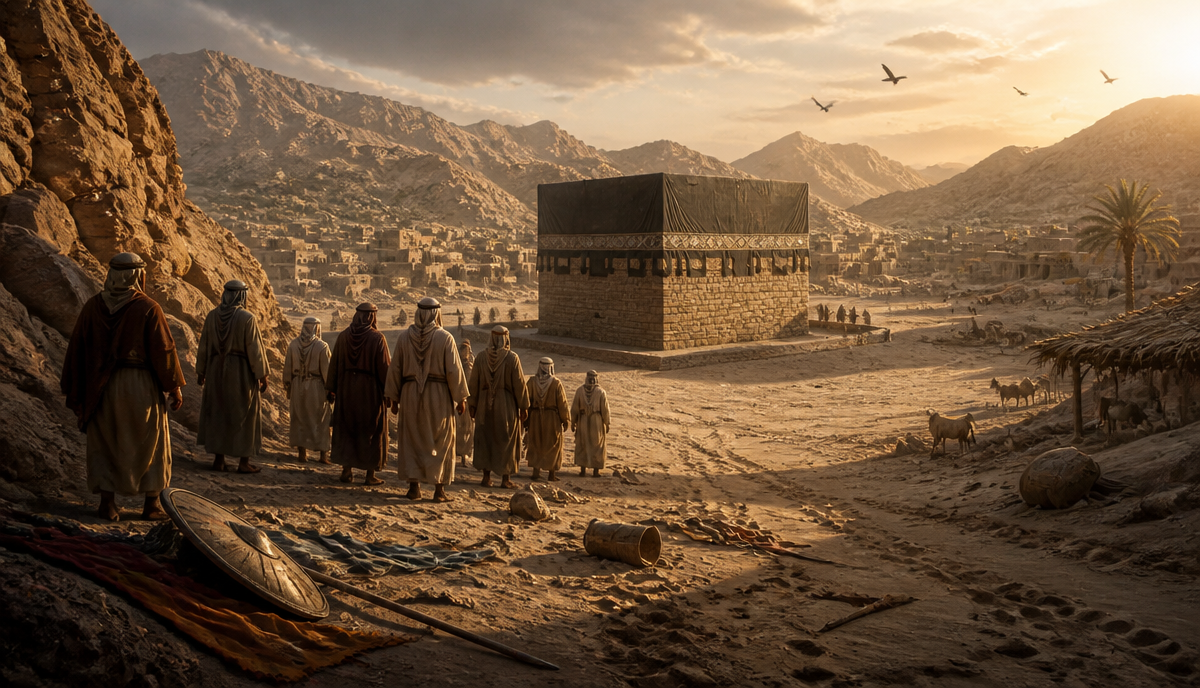
Those who remained of the army fled, and Abraha perished on his way back. The event stayed present in Arab memory to the point that they dated by it, saying: the Year of the Elephant. In that year the Prophet Muhammad, peace be upon him, was born.
The standing of the House and of Quraysh rose after the event, for people saw with their own eyes that the House had a Lord who protected it. God then reminded them of this favour in Surah Quraysh, linking the preservation of the House to their safety and provision in the winter and summer journeys.
And God revealed Surah Al-Fil as a lasting reminder: have you not seen how your Lord dealt with the companions of the elephant. Short verses that hearts memorise, carrying a great meaning: that God preserves what He wills by whatever means He wills, and that the outcome belongs to the truth however weak it may appear.
Questions people often ask
Who was Abraha?
An Abyssinian governor of Yemen. He built a great church in Sanaa hoping to draw pilgrims away from the Sacred House, and when that failed he marched with an army and an elephant to destroy the Kaaba.
When did the story take place?
In the Year of the Elephant, which most reports place as the year the Prophet Muhammad was born, roughly forty years before his prophethood.
How did the army end?
God sent flocks of birds that pelted them with stones of baked clay. The army broke apart before reaching the House, which was protected without a single battle fought by the people of Makkah.
Lessons
- The outcome belongs to the truth even when its supporters are few
- The blessings of safety and provision call for gratitude to the Giver
- Remembering God's signs in history strengthens certainty
Interactive quiz
Answer the questions below, then check your answers. No account needed.
1. What gave Makkah its standing before the event?
2. Why did Abraha build the church of al-Qullays in Sanaa?
3. What did Abd al-Muttalib first ask of Abraha?
4. What did Quraysh do after Abd al-Muttalib met Abraha?
5. What happened when they turned the elephant toward Makkah?
6. With what did the flocks of birds pelt the army?
7. What does the verse: He made them like devoured stalks mean?
8. What became the name of the year in which the event took place?
The illustrations are our own, free of copyright restrictions, and do not depict identified religious figures.
Related stories
Data sources
- The Holy Quran: Surah Al-Fil 1-5, Surah Quraysh 1-4
- Tafsir Ibn Kathir
- Tafsir At-Tabari - Jami al-Bayan
- The Prophetic Biography of Ibn Hisham
- Tafsir As-Sadi